

Gold Rush & the Lost Road to Yosemite
The quiet hills above Coulterville were once the busy road to Yosemite.
The short answer
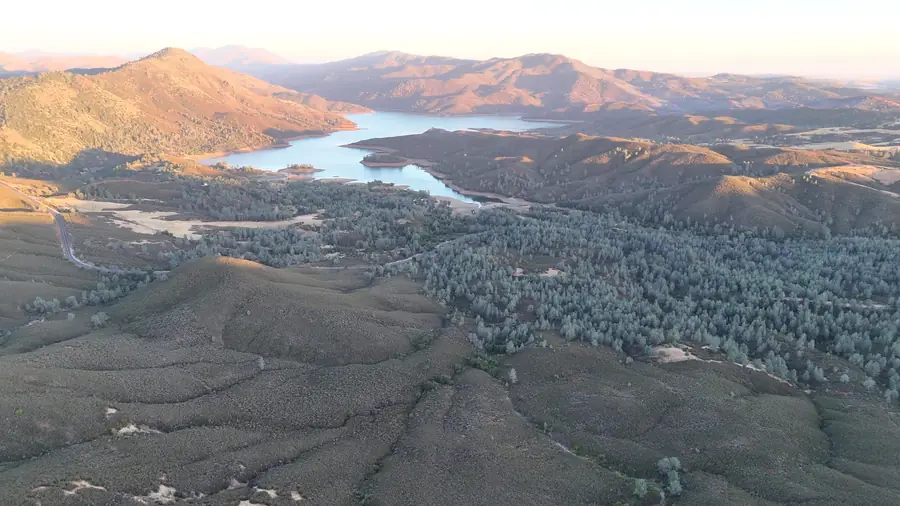
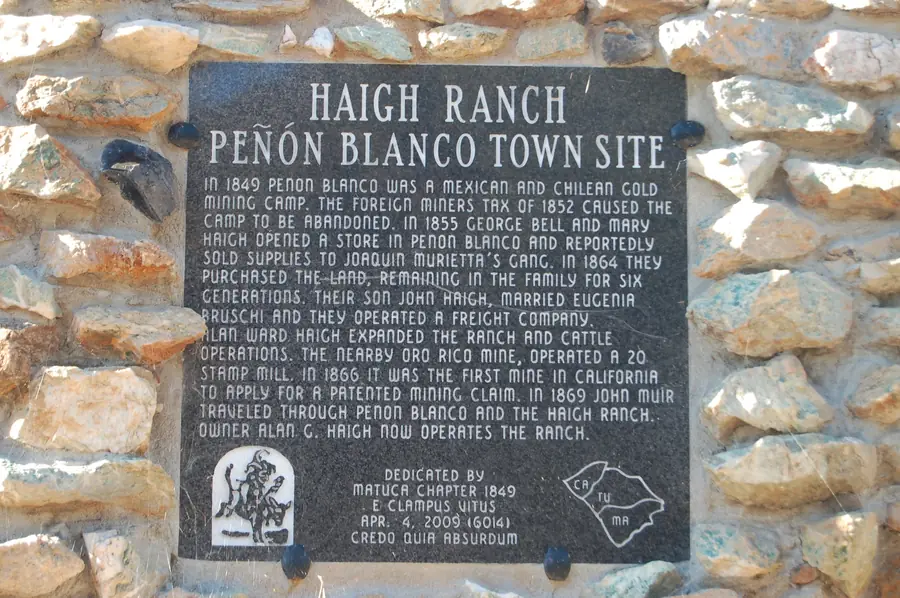
Penon Blanco Peak, home of Mariposa Highlands near Coulterville, CA, sits in the middle of Gold Rush and early Yosemite history. Its name comes from the Spanish Peñón Blanco, "white rock," for the gold-bearing quartz in these hills, and in 1849 Mexican and Chilean miners started a gold camp here called Penon Blanco. A historical marker placed by E Clampus Vitus says the nearby Oro Rico Mine was the first mine in California to apply for a patented mining claim, in 1866. John Muir passed through in 1869 on the journey he wrote about in My First Summer in the Sierra, and the Coulterville Road became the first stagecoach road into Yosemite Valley on June 17, 1874, just 29 days before a rival road opened on the route that became today's Hwy 120.
- Type
- Self-guided history, on the land and nearby
- Duration
- An evening story, or a half-day drive
- Cost
- Free
- Who it's for
- History lovers, road-trippers, curious kids
- Season
- Year-round
- Era
- 1849 to 1936
The story, in five chapters
- The name
"White rock"
In Spanish, Peñón Blanco means "white rock." The name comes from the white quartz that runs through these hills. Gold is often found in quartz, which is why the miners came. Penon Blanco Road is built on that white quartz: look along the edges of the road, or where the base rock shows through worn asphalt, and you can still see it.
- 1849
A Mexican and Chilean gold camp
During the California Gold Rush, Mexican and Chilean miners started a gold camp here called Penon Blanco. A historical marker near the old camp says California's Foreign Miners Tax of 1852 caused the camp to be abandoned.
- 1866
The Oro Rico Mine
A historical marker placed by E Clampus Vitus says the nearby Oro Rico Mine was the first mine in California to apply for a patented mining claim, in 1866. A patented claim is one where the government gives the miner full ownership of the land.
- 1869
John Muir passes through
In June 1869, a young John Muir walked into the Sierra with a flock of sheep, the journey he later wrote about in My First Summer in the Sierra. His route passed through Penon Blanco, and researchers who followed it believe he came along what is now Penon Blanco Road. In the book, Muir writes that on June 5, 1869, from the first bench of the mountain here, he saw the Horseshoe Bend of the Merced River and "made hurried notes and a sketch." The book includes his drawing, Horseshoe Bend, Merced River.
- June 17, 1874
The first stagecoach road into Yosemite Valley
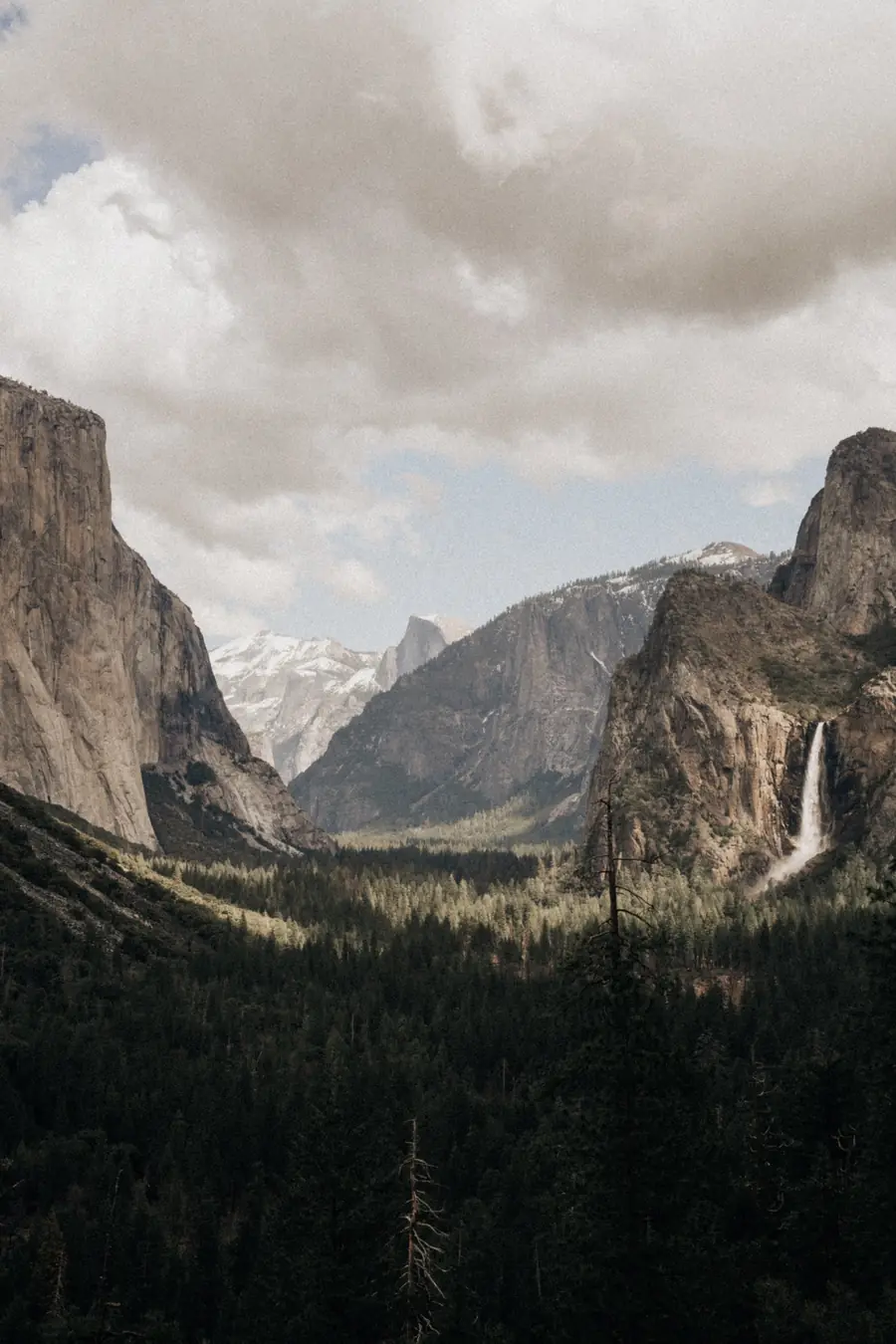
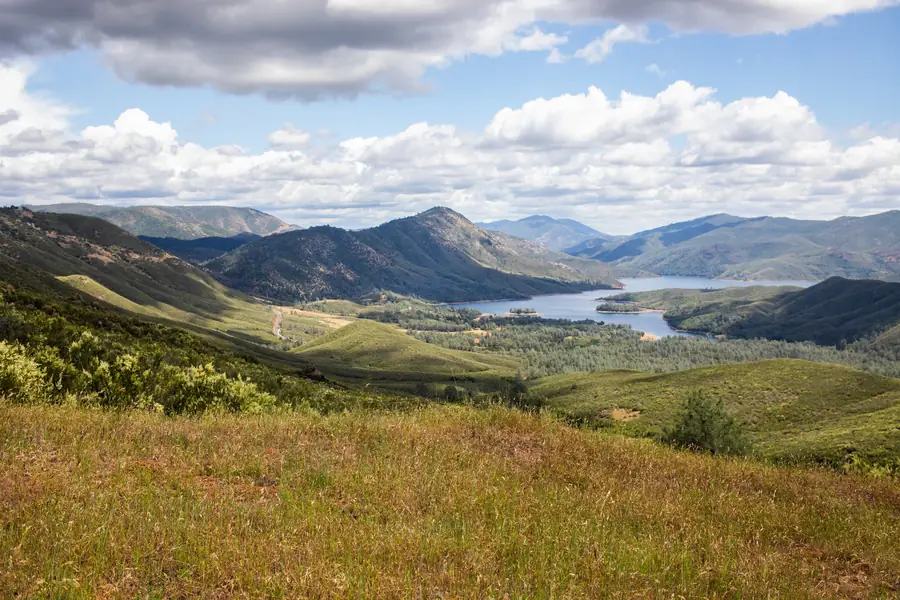
In the early 1870s, foothill towns raced to build the first road for stagecoaches into Yosemite Valley. Coulterville won: the Coulterville Road reached the valley floor first, on June 17, 1874. Just 29 days later, a rival road from Big Oak Flat opened to the north, on the route that became today's Hwy 120. Over time traffic moved north, and our corner of the hills became quiet. We call Penon Blanco Road one of the lost roads to Yosemite.
- 1870s
A rest stop before the climb
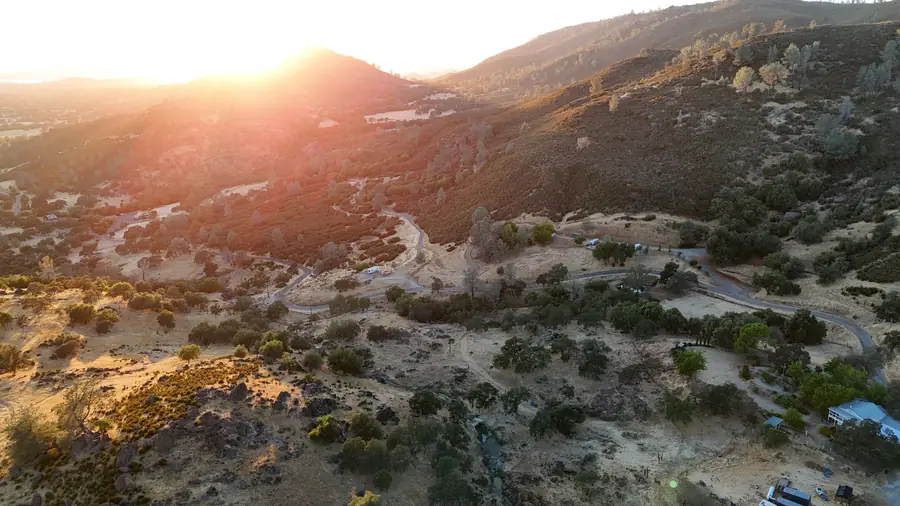
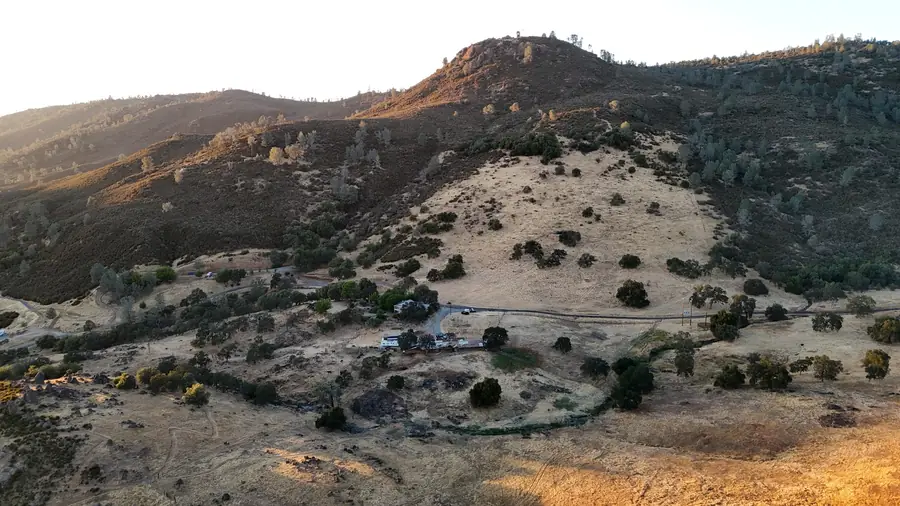
Penon Blanco Road was once a shortcut from Don Pedro Bar toward Big Oak Flat that skipped Coulterville. Travelers by horse and carriage stopped overnight at the bottom of our property, where a barn still stands, to rest before the climb. Extra horses waited there to help pull carriages up the steep grade to the top, where our cabins are today. That steep climb is what gives the land its views.
- 1936
The fire lookout on the peak
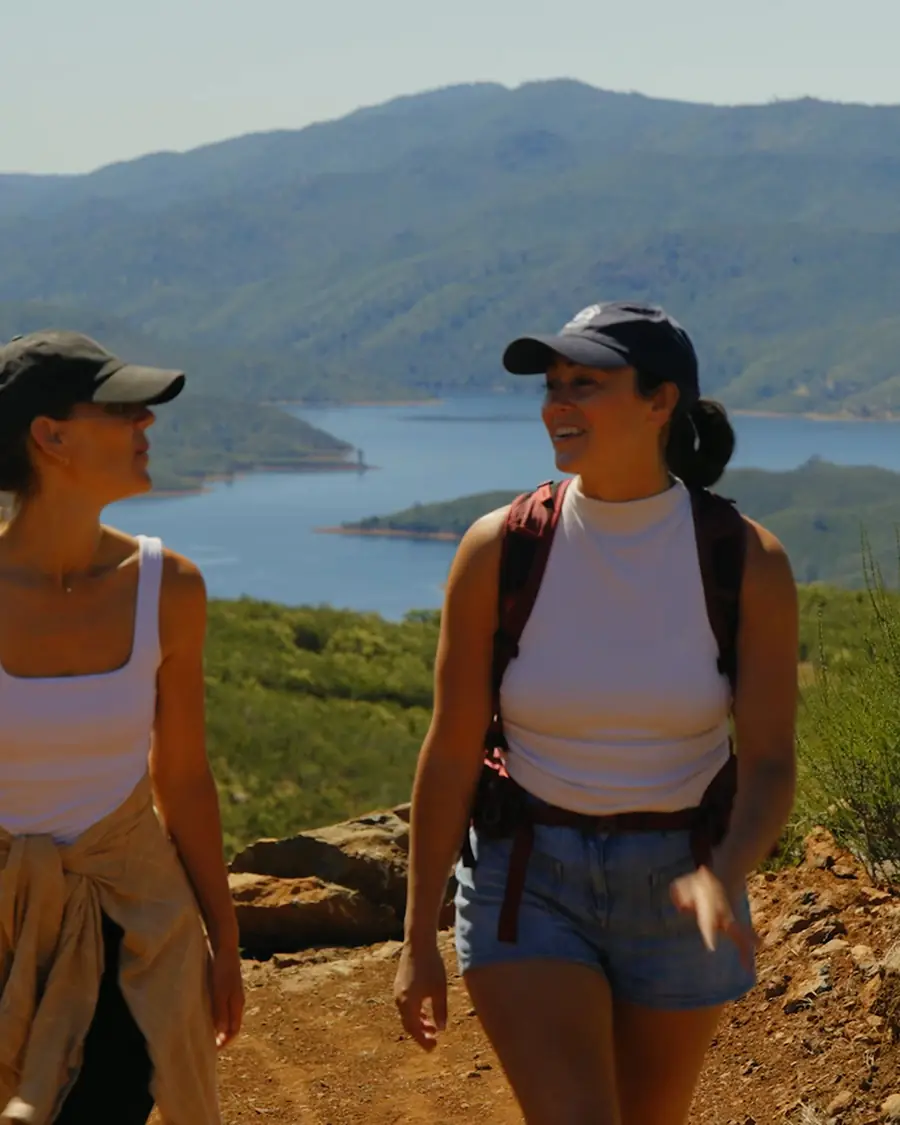
The Civilian Conservation Corps built a fire lookout at the top of Penon Blanco Peak in 1936. It is a CAL FIRE facility and the structure itself isn't open, but you can hike to the peak from our property, get close, and take in an incredible view.
- 1967
Dam workers on the hillside
Work on New Don Pedro Dam, on the Tuolumne River, began in 1967 and finished in 1971. During those years some of the people working on the dam lived here on the hillside, in Spartan trailers that stayed for decades. Our Airstreams are a nod to them.
Insider tips from the family
- 01
Read Muir before you come
My First Summer in the Sierra is short and free online. Read the June 1869 chapters outside your Airstream and look at the same hills.
- 02
Drive the old way
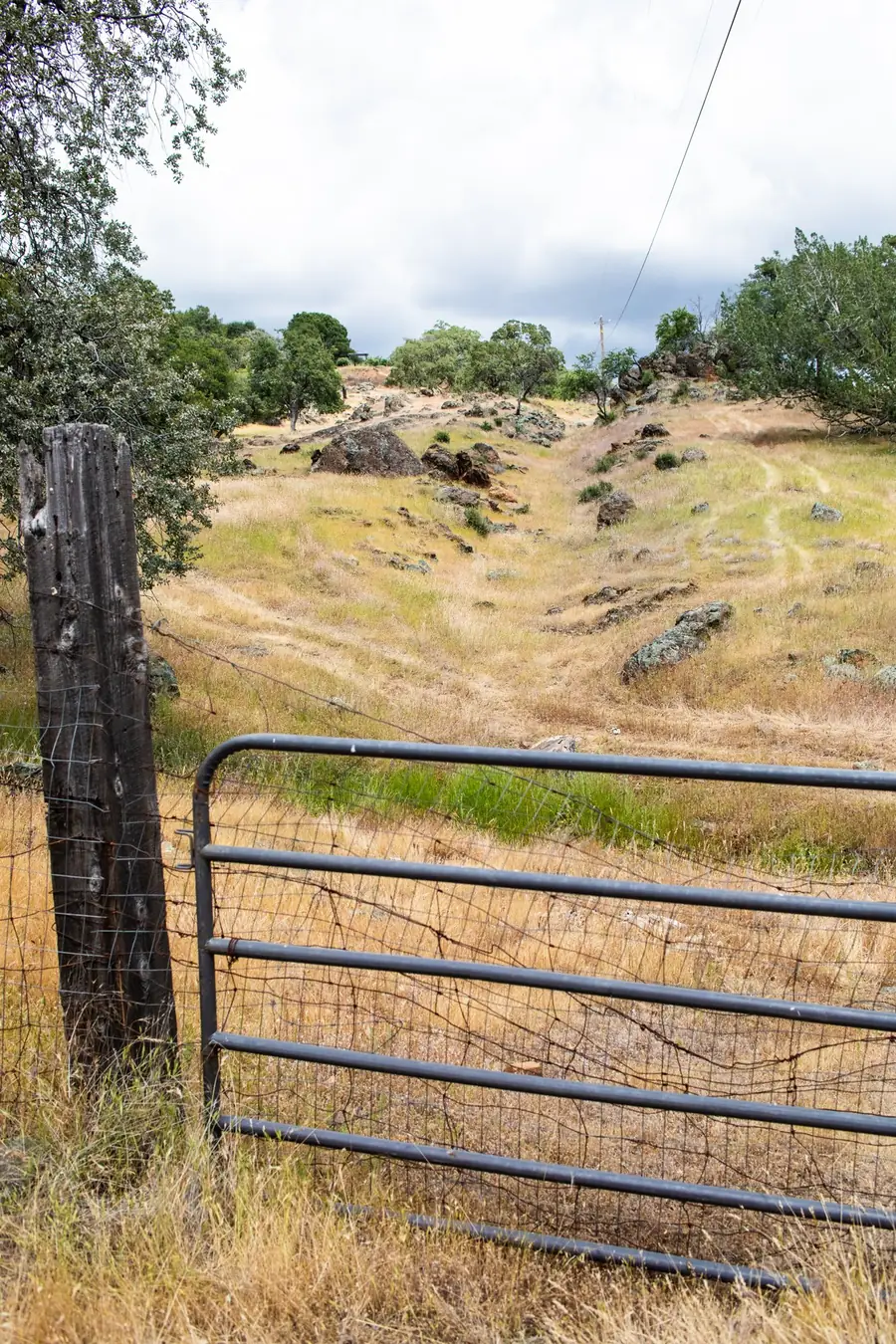
Penon Blanco Road is about 4.5 miles long and mostly one lane. Drive slowly, pull over for oncoming cars, and imagine it with a stagecoach. Look down at the edges of the road, and even in the road itself, and you'll see the white quartz rock where gold was historically found.
- 03
Visit Coulterville's Main Street
The town of Coulterville keeps much of its Gold Rush look, and the Northern Mariposa County History Center is still there on Main Street, about 10 to 15 minutes' drive from us. Make it a stop.
- 04
Pair it with the park
Follow history into Yosemite on our Perfect Yosemite Day: you drive in on the Hwy 120 route that won the long race.
Getting there
Mariposa Highlands sits high on Penon Blanco Peak, on Penon Blanco Road in Coulterville, CA. The history is all around you; you do not need a car for the stories on the land.
Coulterville's Main Street and the Northern Mariposa County History Center are about 10 to 15 minutes away. Lake McClure's Horseshoe Bend Recreation Area is about 15 minutes away. Mariposa, with the Mariposa Museum and History Center, is about 50 minutes south on Hwy 49.
The historical marker for the Oro Rico Mine is about 5 minutes away, right on the edge of Hwy 49 where Penon Blanco Road ends.
The roads are paved asphalt all the way to us.
Good to know
- You can hike to Penon Blanco Peak from our property. The old fire lookout structure itself isn't open, but you can get close and take in an incredible view.
- Stories marked as legend are legend. We share them as local stories, not facts.
- We are still learning the deeper history of this land and will add to this page as we do.
Questions guests ask us
What does Penon Blanco mean?
Peñón Blanco is Spanish for "white rock." It refers to the white, gold-bearing quartz in these hills. Today the road and peak are written Penon Blanco.
What was the first stagecoach road into Yosemite Valley?
The Coulterville Road. The first stagecoach reached Yosemite Valley on it on June 17, 1874. A rival road from Big Oak Flat opened 29 days later, on the route that became today's Hwy 120.
Did John Muir travel through Penon Blanco?
Yes. A historical marker says John Muir traveled through Penon Blanco in 1869, on the journey he described in My First Summer in the Sierra.
What is the Oro Rico Mine known for?
A marker placed by E Clampus Vitus says it was the first mine in California to apply for a patented mining claim, in 1866.
Can I visit the fire lookout on Penon Blanco Peak?
You can't go inside: the 1936 CCC fire lookout is a CAL FIRE facility and the structure itself isn't open. But you can hike to Penon Blanco Peak from our property, get close to the lookout, and take in an incredible view.
Is there really lost gold here?
That is a local legend about Joaquin Murrieta. No one has proven it.